
How Localized Cryotherapy Works
THE SCIENCE BEHIND EXTREME COLD FOR RECOVERY
What is Cryotherapy?
Cryotherapy is defined as ‘the therapeutic use of cold’. It works by using extreme cold to trigger natural physiological processes in the body that support recovery and wellbeing.
There are two main types of cryotherapy: Whole-Body and Localized.
Whole-body cryotherapy involves exposing the entire body to extreme cold, stimulating a systemic response, and triggering widespread physiological changes. Common methods include cryotherapy chambers and cold water immersion.
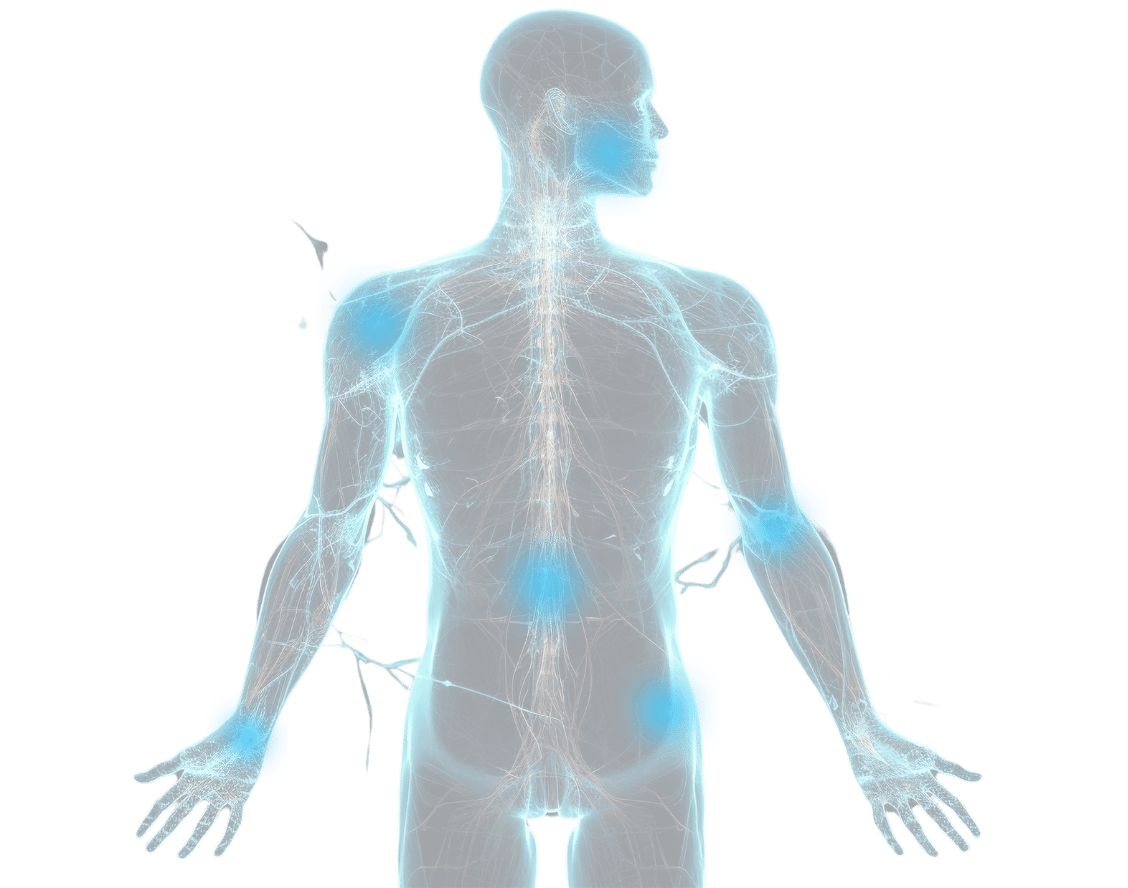
Localized cryotherapy involves rapidly exposing a specific area of the body to extreme cold, triggering a more concentrated and potent therapeutic response in the targeted tissues.
HOW DOES LOCALIZED CRYOTHERAPY WORK?
Localized cryotherapy works by exposing a specific part of the body to extreme cold and high pressure, rapidly reducing the skin surface to 39.2°F/4°C.
This induces a thermic shock in the treated area, stimulating several natural physiological responses that result in:
✓ Reduced Inflammation & Swelling
✓ Pain Relief
✓ Increased Blood Flow
✓ Enhanced Tissue Repair
✓ Improved Mobility & Flexibility
The Importance of Speed & Pressure in Localized Cryotherapy
Rapid cooling and high pressure are essential for effective cryotherapy treatments.
The faster the skin is cooled, the more powerful the thermic shock, resulting in a stronger vasomotor response, the mechanism responsible for reducing initial pain and inflammation, and boosting circulation post-treatment.
High pressure will strengthen the cooling effect, helping to enhance muscle tone while promoting deeper relaxation.
A Deep Dive into the Physiological Effects of Localized Cryotherapy
IT ALL STARTS WITH A THERMIC SHOCK...
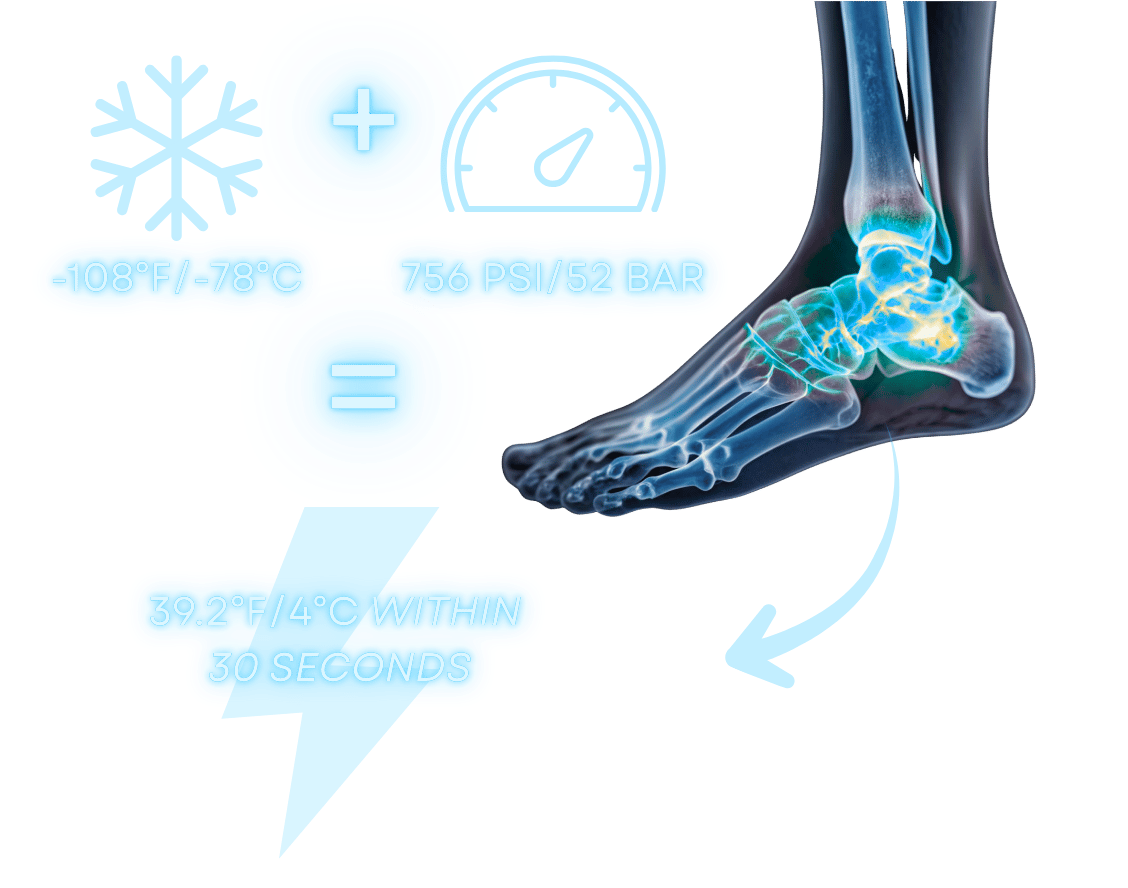
Using liquid CO₂ at -108°F (-78°C) at a high pressure of 756 psi (52 bar), the skin surface temperature of the treated area is reduced to 39.2°F (4°C) within 30 seconds.
This sudden drop in temperature induces a thermic shock, activating cutaneous cold receptors. Signals are sent through peripheral nerves to the CNS, including the hypothalamus, activating a combination of local vascular and neurological responses.
-
The cold stimulus causes the hypothalamus to initiate the vasomotor reflex, which involves the constriction and dilation of blood vessels.
INITIAL VASOCONSTRICTION
Blood vessels constrict in response to extreme cold, temporarily reducing blood flow to the cooled area and redirecting it to vital organs, where it retains a heightened oxygen and nutrient density.
The accumulation of Inflammatory substances, toxins, and excess fluid decreases in the cooled tissue, reducing inflammation and swelling.
POST-TREATMENT VASODILATION
Post-treatment, blood vessels dilate to heat the area back up and return to homeostasis. Smooth muscle tissue relaxes, and blood flow to the damaged tissues increases fourfold for 4-6 hours after treatment.
A large volume of oxygen and other essential nutrients is delivered, enhancing tissue repair and regeneration. These include:
Glucose: The primary energy source for cells.
Amino acids: Building blocks of proteins.
Fatty acids: Used for energy and cell membrane structure.
Vitamins: Water-soluble vitamins (B complex, C) and Fat-soluble vitamins (A, D, E, K) bound to carrier proteins
Minerals: Electrolytes (sodium, potassium, calcium, magnesium) and Trace elements (iron, zinc, copper)
Proteins: Albumin (carries various substances) and Globulins (including antibodies)
Hormones: Various endocrine signalling molecules
Collagen Synthesis: The production of collagen is stimulated, supporting the skin’s natural repair processes.
The improved circulation post-treatment will also relax muscles, enhancing mobility and range of motion.
With regular cryotherapy treatments, the biphasic vasomotor response will help alleviate chronic inflammation in damaged tissues and improve long-term circulation.
-
The initial reduction in blood flow caused by rapid vasoconstriction limits the delivery of plasma and inflammatory mediators. This results in a significant decrease in acute swelling and inflammation.
Additionally, the reduction in tissue temperature lowers local metabolic rate and enzymatic activity, which in turn reduces the production of inflammatory substances such as prostaglandins and other mediators in the inflammatory cascade.
Cooling also modulates cytokine activity, encouraging reduced inflammatory signalling.
Together, these effects interrupt the harmful cycle of chronic inflammation, helping to control swelling in the treated area and the surrounding tissues.
-
Extreme cold has strong pain-relieving effects on the body, increasing both pain threshold and tolerance. This is primarily due to its impact on the nervous system.
The rapid cooling reduces the nerve conduction velocity of pain receptors in the cooled tissues, increasing the pain threshold and producing a numbing effect.
The extreme cold also induces a ‘closing of the gate’ mechanism, which reduces pain sensations travelling to the central nervous system, decreasing pain perception.
In addition, the anti-inflammatory effect, along with improved circulation that follows the cooling phase, further contributes to the pain-relieving effects of cryotherapy treatments.
-
The lymphatic system is the body’s natural detox system. It consists of a network of lymphatic vessels that drain excess tissue fluid, removing toxins and waste products before returning it into the bloodstream.
The system relies on muscle contractions to move lymph fluid through the vessels. Reduced muscle movement, caused by various factors, slows the flow rate of lymph fluid, reducing drainage efficiency.
Extreme cold and high-pressure exposure cause muscles in and around lymph vessels to contract, forcing lymph fluid through the nodes, increasing the flow rate, and thereby enhancing lymphatic drainage.
The benefits of efficient lymphatic drainage include:
Decreased edema, inflammation & swelling
Improved elimination of toxins
Stronger immunity & metabolic health
Revitalized skin appearance
Reduced water retention & bloating
-
During the rapid cooling phase, the extreme cold reduces tissue metabolic activity and slows down nerve transmission, immediately easing soreness and reducing muscle spasms.
The high pressure stimulates Pacinian Corpuscles - rapidly adapting mechanoreceptors in the skin that are sensitive to vibration and pressure. This influences muscle tone and helps initiate a reduction in muscle tension, relieving tightness and contributing to the overall relaxation effect post-treatment.
Post-cooling, blood flow significantly increases, relaxing muscles, decreasing tightness, and improving flexibility and mobility. The reduced activity of muscle spindles triggered by the cold, sensory receptors that regulate tone and reflex contraction, further contributes to this relaxation effect.
Additionally, the enhanced delivery of nutrients to muscles post-treatment allows for tissue repair processes to take place at a quicker, more efficient rate.
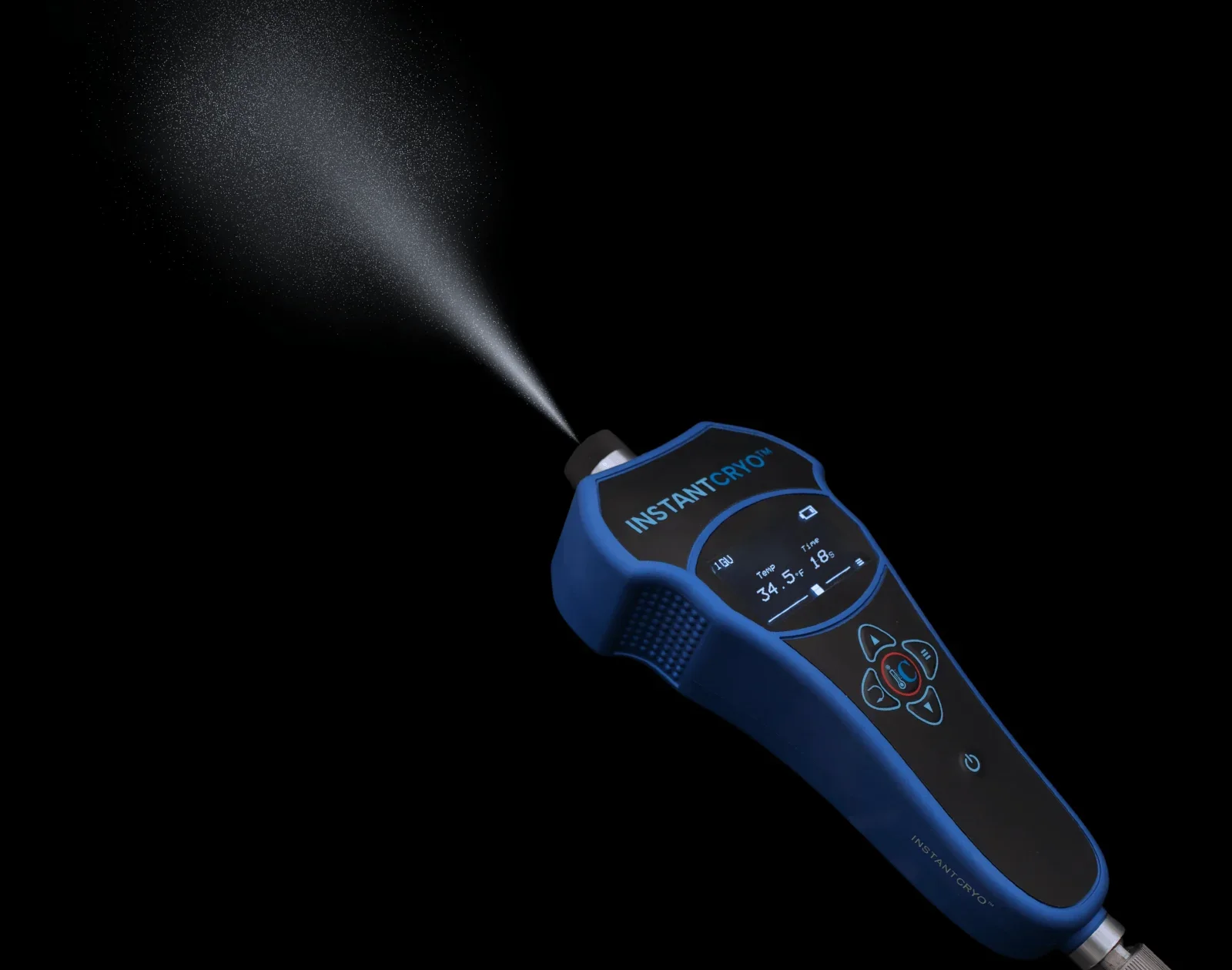
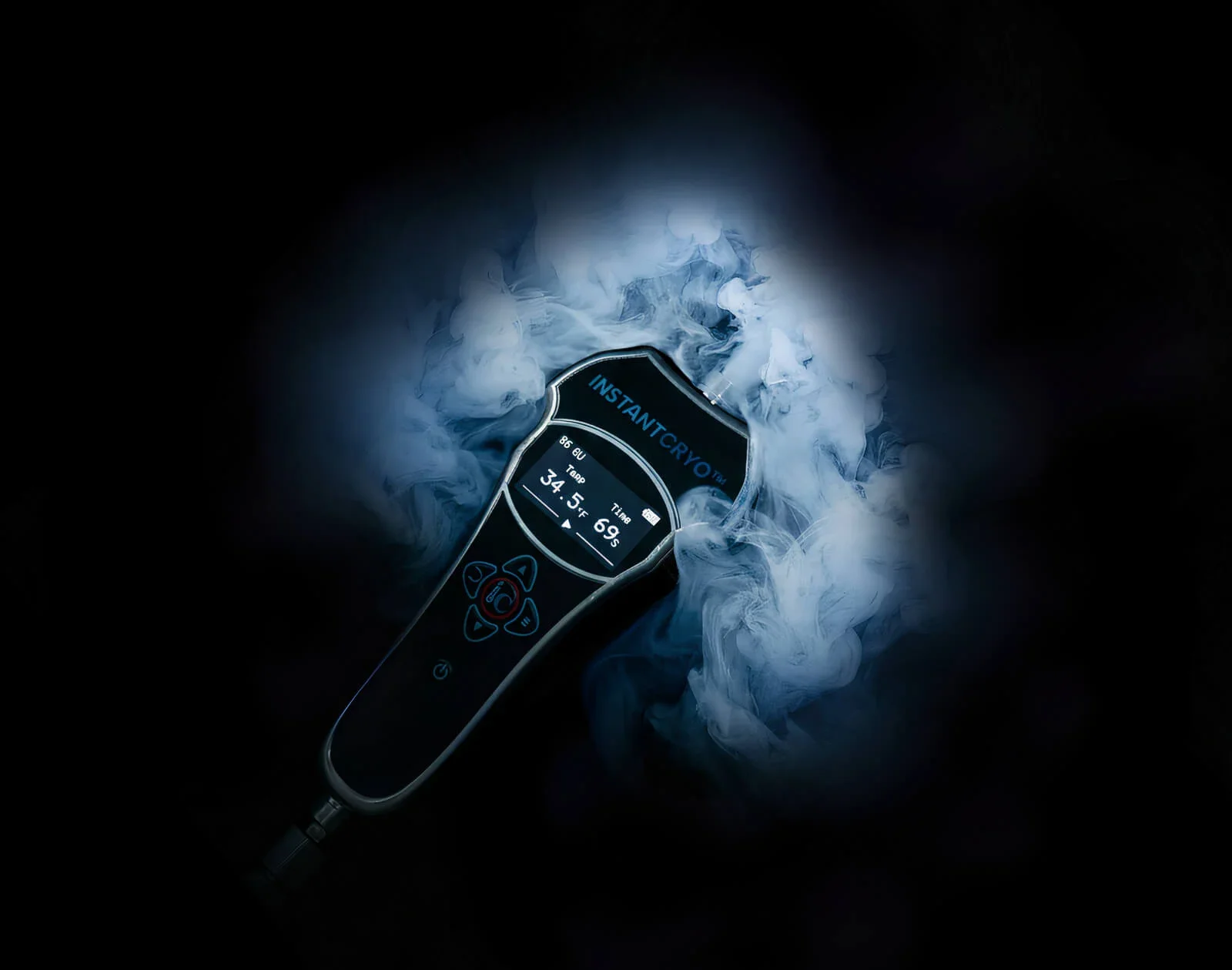
WHY INSTANTCRYO™ Delivers Powerful Results
Effective localized cryotherapy relies on rapid cooling and high pressure.
During a treatment, the skin must be cooled to the target temperature within 30 seconds to trigger a potent thermic shock for the optimal therapeutic benefits. If there are significant variations in temperature or pressure during delivery, treatment efficacy will diminish.
Using premium materials and precision technology, INSTANTCRYO™ has been designed to deliver a steady stream of -108°F (-78°C) liquid CO₂ at 756 psi (52 bar) with no meaningful variation in temperature or pressure. This ensures a strong thermic shock is achieved during every treatment.
With INSTANTCRYO™, you can be confident in delivering safe, effective localized cryotherapy that delivers exceptional results for your clients.
Want to Learn More about Localized Cryotherapy?
YOU MAY NEED TO KNOW
Frequently Asked Questions
-
Yes. A common myth is that cryotherapy only offers short-term pain relief or simply “masks” pain.
While extreme cold exposure does reduce nerve sensitivity, leading to an immediate reduction in pain intensity, treatments induce several other physiological mechanisms that are extremely beneficial for long-term recovery.
The improved blood flow that occurs after cooling lasts 4-6 hours post-treatment, and combined with controlled inflammation, creates an optimal environment for tissue repair.
In addition, the initial pain-numbing effect of treatments is actually extremely beneficial for clients, as they can move more comfortably and participate better in their rehabilitation exercises - a crucial component of recovery.
-
No, cryotherapy works by optimizing rather than blocking inflammation, as some inflammation is necessary for healing.
For acute injuries, the initial inflammatory response, which is beneficial as long as it's brief, happens within minutes of injury, before cryotherapy is typically applied.
When cryotherapy is applied, the extreme cold will reduce the magnitude and duration of excessive inflammation, helping prevent undue swelling and secondary tissue damage.
For chronic conditions, cryotherapy helps break the cycle of persistent, destructive inflammation. Regular treatments will stimulate more efficient blood flow and create a balanced healing environment, reducing inflammation by decreasing harmful inflammatory molecules while enhancing the production of beneficial anti-inflammatory compounds.
-
Although often overlooked, cold therapy is just as effective as heat therapy for improving blood flow.
When the skin is exposed to intense cold, blood vessels initially constrict. As the area rewarms, those constricted vessels open back up widely in response, increasing blood flow to as much as four times the normal level for 4–6 hours after treatment.
For chronic injuries, consistent cryotherapy helps repeat this cycle of rapid cooling and controlled re-warming, promoting a steady supply of nutrient-rich blood to the area and supporting faster, more efficient recovery.
-
There is extensive scientific research on the physiological mechanisms triggered by cold exposure, and numerous studies demonstrating the benefits.
Please get in touch if you would like to view some of the published papers.
-
Yes, cryotherapy is effective both as a standalone alternative therapy and combined with other therapies such as massage and laser therapy.
Users are provided with specific guidelines on how best to incorporate other modalities with INSTANTCRYO™.
-
INSTANTCRYO™ is a wellness device, not a medical device. It is not intended to treat or cure any injury, disease, or condition, and should not be used as an alternative to prescribed medical treatment.
INSTANTCRYO™ can be used alongside medical treatment, as long as approval has been obtained from the client's physician.
Discover the therapeutic applications of INSTANTCRYO™ across Aesthetics, Dermatology, Performance and Recovery, and Equine.